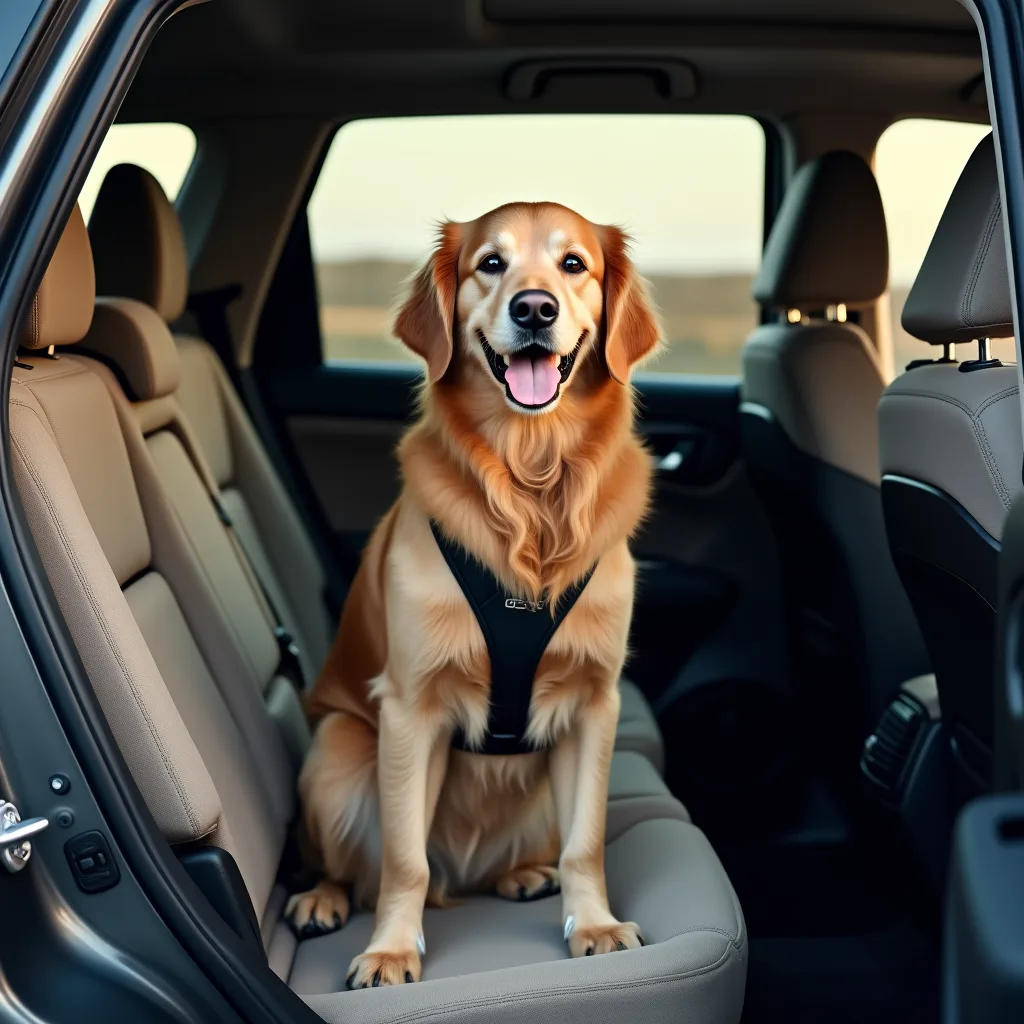
Taking a Dog or Cat Around Bangkok Is Harder Than It Looks
I've done pet runs in this city for years — vet visits in Thonglor, groomers in Ari, the panic run to the airport with a cat in a soft carrier — and I can tell you the thing that surprises every new pet owner in Bangkok: the city's best transport options are all closed to you. The BTS is off-limits. The MRT is off-limits. the app's terms technically don't cover your dog. And a regular street taxi? That's a negotiation, every single time.
If you're moving to Bangkok with a pet, visiting with one, or already live here with a dog or cat, this guide walks through what's actually allowed, what each option really costs, and when it makes sense to book a dedicated pet transport service instead of gambling on a taxi queue.
The Rules: BTS, MRT, Airport Rail Link and Trains
Here's the honest summary of Bangkok public transport and pets:
- BTS Skytrain: Animals are prohibited in stations and trains. The only exception is a registered guide dog accompanying a blind passenger. There is no small-carrier loophole — staff will stop you at the gate.
- MRT (subway): Same story. No pets, no exceptions beyond service animals.
- Airport Rail Link: This one changed recently — small dogs and cats are now allowed, but only if the animal plus carrier weighs 10kg or less, and you'll need vaccination documents with you. If you have a cat or a small dog and your route happens to line up with the ARL, it's workable. For anything bigger, it's not.
- SRT trains (long-distance): Thailand has been piloting pet-friendly carriages on selected routes. Your pet must stay in a closed carrier no bigger than 55cm wide, 37cm long and 30cm high, you show vaccine documents, and you pay a small extra fee. Great news for a Chiang Mai trip — but the pilot covers specific trains, so check before you build a plan around it.
Notice the pattern? Everything public assumes your pet is small, in a box, and on a route the train happens to serve. The moment you have a medium or large dog, a vet emergency, or a departure from a neighborhood nowhere near a rail line, public transport offers you nothing.
Taxis and the app With a Pet: The Reality
In theory, you can put a pet in a Bangkok taxi. In practice, it works like this: you stand at a rank or wave a cab with the carrier visibly in your hand, and driver after driver slows down, looks, and waves you off. Some will stop and quote an inflated price — ฿300 for a trip that should meter at ฿120 — because they assume (fairly) that a dog means hair, smells and risk in a car they drive twelve hours a day.
the app doesn't solve this. There's no pet category in Bangkok the way there is in some other cities, and the standard terms put pets at the driver's discretion — which in real life means cancellations after you've already waited, or a soaked seat from a rain-soaked golden retriever that the driver did not sign up for. It is possible to get lucky. It is not a plan.
And if you're heading to the airport with a flight to catch, "getting lucky" is not something you want in your critical path.
What a Bangkok Pet Taxi Actually Costs
Dedicated pet transport exists in Bangkok, and pricing across providers is fairly consistent — most charge a pet surcharge of ฿300–800 per trip on top of the base fare, sometimes more for larger animals. That's not a rip-off; it reflects that a pet trip takes longer to load, requires seat protection, and the car needs a proper clean afterwards.
Here at Bangkok Ride, I run pet transport in the same electric SUV I use for airport transfers, with seat covers and a travel crate, and the pricing is fully itemized — no haggling at the curb:
- City trip with a pet: from ฿600 all-in (base fare + ฿200 pet surcharge + ฿1,000 professional cleaning) — for example Sukhumvit to a Thonglor vet, or your condo to a groomer
- Vet or groomer round-trip with waiting: ~฿1,000–1,500 including driver waiting at ฿200/hour, so you ride there, see the vet, and ride back in the same car
- Airport transfer with a pet (BKK or DMK): ~฿1,300+ depending on your area, crate space in the back of an SUV, tolls included
- Full-day pet hire: ฿2,000 for 8 hours or ฿2,500 for 10 hours — for adoption days, multi-stop vet trips, or getting a new rescue settled
- Accident fees (transparent, charged only if they happen): urine or vomit +฿500, worse than that +฿1,000 — deep-clean costs, nothing more
One thing I insist on because I've seen too many surprises: the cleaning fee is quoted up front and it's a real deep clean, not a quick vacuum. Your next passenger deserves the same clean car you did.
What Makes a Pet Trip Different From a Normal Taxi Ride
A pet trip isn't just a fare with a dog in it. Done properly, it looks like this:
- Restraint: the animal is secured — crate, harness, or a proper collar and lead anchored to the seat. A loose dog in a sudden Bangkok stop becomes a projectile. I carry a crate and collars precisely because most owners don't travel with them.
- Seat protection: waterproof covers go down before your pet goes in. This is why pet trips cost slightly more — the next passenger's standards don't drop because your dog shed.
- Timing: pets are fed 2–3 hours before pickup, not in the parking lot. Almost every in-car vomit I've dealt with traces back to a breakfast served twenty minutes before departure.
- A bathroom stop before loading: a walked dog is a calm dog. A full dog is a twenty-minute-of-silence-then-disaster dog.
- A handler who knows animals: I've passed the FCI handler tests (BH/VT + RN FL V, January 2026) — in plain words, I'm trained in reading and controlling dogs — including ones that are stressed, scared, or just deeply convinced the crate is a trap.
The full terms are spelled out on the pet transport terms page so nothing is a surprise on the day.
Common Pet Trips I Run Every Month
- Vet visits — Thonglor's animal hospitals, Chula's vet faculty, the emergency clinics on Sukhumvit. The waiting-time model matters here: you don't want to exit a two-hour appointment to find your ride has given up.
- Grooming appointments — in and out, quick city hops, usually the ฿600 base trip.
- Airport transfers — pets flying out of Suvarnabhumi or Don Mueang. Airline pet policies typically require the animal checked in early, so we leave buffer time and I help with the crate at the kerb. (Heads up: airlines want notice in advance — for example Bangkok Airways asks 24 hours — so sort the flight side first.)
- Moving house or adopting — the full-day hire exists for exactly this: pickup from a shelter, a vet stop, a pet-shop stop, then home. One car, one calm animal, no transfers.
All Your Options, Side by Side
Here's the comparison I give friends who ask, in one place:
- BTS / MRT: ฿17–62 per ride — but pets are prohibited, so this row is only here so you stop wondering. Guide dogs excepted.
- Airport Rail Link: ฿26–45 — allowed only if pet + carrier is under 10kg, with vaccine documents. Only useful if you live near Phaya Thai or Makkasan and are flying with a small cat.
- Regular taxi (meter): ฿100–200 for a typical city trip — if a driver stops. With a visible carrier expect refusals, and expect "special" quotes of ฿300+ when someone does stop.
- Ride-hailing app: ฿150–250 city, pets at driver's discretion — cancellations after acceptance are common, and there's no pet category in Bangkok to filter for pet-willing drivers.
- Dedicated pet taxi (Bangkok Ride): from ฿600 all-in city trips, ~฿1,300+ airport, ฿2,000 full-day — guaranteed acceptance, crate and seat covers provided, itemized fees, and a driver who's passed the FCI handler tests.
Read that list as a decision rule: use trains only if your animal is small and your route cooperates; gamble on taxis only when nothing matters; book a pet taxi when there's a flight, an appointment, or an animal whose stress you're trying to keep to a minimum.
Owner Checklist Before You Book Any Pet Transport
- Feed your pet 2–3 hours before the ride, not right before
- Walk them or give litter-box access just before pickup
- Pet should be clean and dry — a wet dog plus leather seats is how accident fees happen
- Bring vaccination documents if you're airport-bound or train-bound; officials and airlines will ask
- Tell the service the size, breed and temperament of your animal when booking — a Chihuahua and a Belgian Malinois are different logistics
- For airport runs, confirm the airline's pet policy and check-in deadline before booking the car
Bottom Line
Bangkok is getting more pet-friendly every year — the Airport Rail Link and SRT pilots prove it — but the day-to-day reality is still: the BTS and MRT are closed to pets, taxis are a coin flip, and the app is driver's discretion. For anything that matters — a flight, a vet appointment, a scared rescue on moving day — a dedicated pet taxi with itemized pricing and a driver who knows animals is the difference between a story you laugh about and one you don't.
You can see full details and pricing on the pet transport page, book directly on the pet booking page, or if you just need a standard ride without a pet, the regular booking page has you covered.